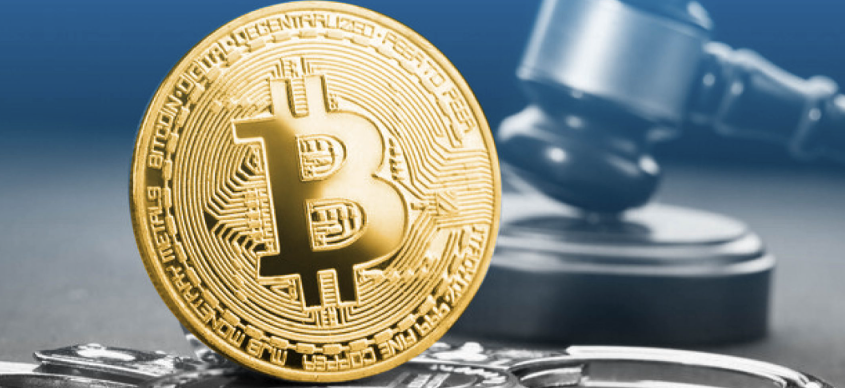
Regulatory Authorities in Crypto

Regulators overseeing crypto markets are dispersed across securities, commodities, banking, and anti-fraud bodies, creating a layered, cross-border oversight landscape. Jurisdictions differ in scope, licensing, custody, and enforcement, reflecting policy priorities and market maturity. A risk-based, transparent, scalable approach is essential to balance innovation with consumer protection. Enhanced cross-border collaboration can clarify taxonomy and align interpretations, reducing fragmentation-driven risk. The outcome hinges on accountable, privacy-respecting supervision that sustains market legitimacy, leaving stakeholders with questions that demand further alignment.
What Regulators Actually Govern Crypto Markets
Regulatory authority over crypto markets is dispersed across multiple jurisdictions and agencies, reflecting the asset’s hybrid nature and cross-border activity. The governing landscape combines securities, commodities, banking, and anti-fraud authorities, producing layered oversight. This fragmentation can invite regulatory capture processes, yet it underpins market legitimacy by distributing enforcement and disclosure standards, reducing single-point risk, and promoting transparent participation for freedom-minded actors.
How Crypto Rules Differ Across Regions
Across regions, crypto regulation diverges in scope and approach, reflecting distinct policy priorities, legal traditions, and market maturities.
The landscape shows variability in global licensing obligations, with jurisdictions balancing innovation and risk.
Cross border custody protocols differ, while regional enforcement intensifies where deemed necessary.
A broad digital asset taxonomy underpins classification, facilitating compliance without stifling market development.
Key Compliance Areas for Projects and Firms
Assessing key compliance areas for crypto projects and firms requires a structured, risk-based approach that maps regulatory expectations to operational realities. This analysis outlines essential components: adherence to compliance frameworks, attention to licensing thresholds, and robust cross border supervision.
It emphasizes governance, due diligence, and transparent reporting, balancing regulatory rigor with entrepreneurial freedom, ensuring scalable, consistent controls across jurisdictions without impeding innovation.
Navigating Risk, Innovation, and Consumer Protection
The balance between risk management, innovation, and consumer protection requires a disciplined, evidence-based approach that weighs fiduciary responsibilities against the incentives for experimentation. Regulators emphasize governance models that ensure accountability, transparency, and adaptive risk controls. Privacy safeguards protect sensitive data while enabling innovation; clear standards guide compliance. A robust framework balances freedom to innovate with rigorous oversight and consumer-centric protections.
See also: The Pros and Cons of Remote Work Technology
Frequently Asked Questions
How Do Regulatory Authorities Coordinate Internationally on Crypto?
International cooperation occurs through formal and informal networks, enabling cross border supervision of crypto activities. Regulators share information, align standards, and conduct joint investigations, while balancing sovereignty and market freedom within evolving global regulatory frameworks.
Which Regulators Oversee Stablecoins and On-Chain Governance?
Stablecoins regulation falls under multiple jurisdictions; on-chain governance oversight similarly spans regulators. Various bodies—central banks, securities and commodities authorities, and financial commissions—coordinate to supervise stablecoins and on-chain governance, balancing innovation with risk mitigation and investor protection.
What Penalties Exist for Non-Compliance Across Jurisdictions?
Non compliance penalties vary by jurisdiction, including fines, sanctions, license revocation, and imprisonment. Cross border enforcement features cooperation treaties and extradition. Affected entities should anticipate rapid, coordinated actions across regimes, emphasizing risk management and transparent reporting.
How Do Regulators Handle Decentralized Finance Platforms?
Regulators approach decentralized finance platforms with evolving frameworks; in 2023, enforcement actions targeted at DeFi protocols rose by 28%. The analysis highlights decentralized enforcement and cross border supervision shaping risk mitigation, transparency, and accountability across jurisdictions.
What Rights Do Consumers Have Against Crypto Service Providers?
Consumer rights against crypto service providers include enforceable disclosures and transparency, with remedies for misrepresentation and breach. The analysis emphasizes clear terms, auditability, and accessible dispute channels to empower individuals while maintaining regulatory alignment and freedom of choice.
Conclusion
Regulatory oversight in crypto unfolds through a web of coincidental alignments—regulators, markets, and technologies converging at shared risk points. The coincidence of global standards with local adaptations reveals a path: governance that is predictable yet adaptable, transparent yet privacy-respecting. When authorities harmonize taxonomy and enforcement, innovation can scale safely, and consumers gain steady protection. In this aligned tension, the industry finds resilience: compliance becomes a enabler, fragmentation recedes, and legitimate market vitality persists.