The Future of Delivery Systems

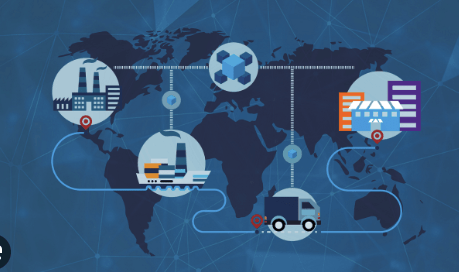
Delivery systems are shifting toward integrated, data-driven hubs that standardize KPIs and reduce variance. Automation, AI, and robotics accelerate velocity while upholding governance and transparent pricing. Resilience requires balancing privacy, regulation, and environmental tradeoffs with auditable metrics. Hyperlocal roots expand globally through hybrid marketplaces, defined SLAs, and flexible fulfillment that preserve user autonomy. The result is a scalable, customer-centric network—one that invites closer scrutiny of tradeoffs as momentum builds.
How Delivery Systems Will Eallback: Core Trends and Impacts
Delivery systems are poised to reframe efficiency and access as core trends converge with advancing technology. Data indicate streamlined hubs, modular routing, and standardized KPIs will drive predictable timelines and reduced variance.
This evolution emphasizes delivery ethics and cost transparency, ensuring fair pricing, accountable practices, and measurable quality. Forward momentum relies on transparent metrics, disciplined governance, and scalable, user-centric process design.
The Tech Stack: Automation, AI, and Robotics Driving Last-Mile
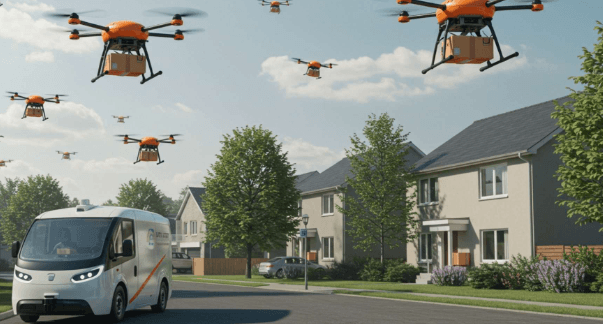
The tech stack propels last-mile transformation through automation, AI, and robotics, delivering measurable gains in velocity, accuracy, and cost control.
Data-driven metrics guide deployment, integration timelines, and workforce reshaping, while continuous monitoring informs optimization loops.
Automation ethics and robotics integration emerge as governance anchors, ensuring scalable precision.
The approach remains forward-looking, enabling freedom through transparent processes and accountable, incremental improvements.
Designing Resilience: Privacy, Regulation, and Environmental Tradeoffs
Designing resilience in delivery systems centers on balancing privacy, regulatory compliance, and environmental tradeoffs through a structured, data-driven approach. The analysis tracks privacy tradeoffs and regulatory impacts across operations, quantifying risk, cost, and efficiency. Clear governance, auditable metrics, and scenario planning enable resilient choices. By iterating transparent processes, organizations align innovation with freedom, sustainability, and compliant, scalable delivery futures.
From Hyperlocal to Global: New Business Models and Customer Experience
From hyperlocal origins to global reach, new business models are expanding the scope of delivery ecosystems while maintaining core operational disciplines.
Data indicates rapid scale via hybrid marketplaces, enabling cross border logistics and urban sourcing.
Customer experience shifts toward transparency, standardized SLAs, and flexible fulfillment.
Global saturation exposes margin compression, prompting centralized orchestration, adaptive pricing, and seamless returns to preserve efficiency and user autonomy.
See also: The Pros and Cons of Remote Work Technology
Frequently Asked Questions
How Will Delivery Jobs Evolve With Increasing Automation and Autonomy?
Automation and autonomy will reallocate roles, elevating supervision, maintenance, and ethics oversight. Data-driven workflows optimize efficiency, while rider resilience remains essential. Delivery ethics guides decision-making, balancing speed, safety, and freedom for workers navigating evolving systems.
What Governs Data Ownership in Multi-Tenant Delivery Networks?
Data ownership in multi-tenant networks is defined by governance agreements, prioritizing data privacy, access controls, and auditable autonomy scheduling; cost efficiency and fleet electrification considerations shape transparent data sharing, while ongoing compliance sustains consistent data stewardship and multi-tenant governance.
Which Metrics Truly Measure Customer Trust in Autonomous Deliveries?
Autonomous deliveries are evaluated by delivery metrics that capture reliability and latency, while trust indicators reflect transparency and incident responsiveness; the metric set emphasizes data-driven anomaly detection, process rigor, and forward-looking governance for freedom-loving stakeholders.
How Do They Handle Last-Mile Safety in Dense Urban Cores?
One interesting statistic shows a 27% reduction in incidents when geofenced corridors and redundant sensors are deployed in dense cores. They handle last-mile safety through layered autonomy checks, drone-fatigue mitigation, and continuous risk-scoring, promoting data-driven, freedom-loving progress.
What Are the Long-Term Costs of Zero-Emission Fleets?
Long term costs of zero-emission fleet economics are driven by upfront capital, maintenance reductions, battery degradation, and charging infrastructure. The data suggest total cost of ownership converges with conventional fleets as efficiency, scale, and policy incentives mature.
Conclusion
The conclusion, from a detached lens, highlights a paradox: every KPI promises predictability, yet real-world variance persists. Data-driven dashboards forecast velocity while governance budgets remain the quiet heavyweight. Automation and AI accelerate routes, yet human oversight stains the clean abstraction with occasional frictions. Resilience protocols, designed for privacy and compliance, sometimes complicate speed. Still, standardized SLAs and modular hubs promise scalable reliability, and the irony endures: greater control often reveals new, delightful uncertainties in the delivery economy.